
Arbek Teknoloji
  1. Arbek
  2. Our Services
  3. Oil Field Automation & Fuel Consumption Management

Oil Field Automation & Fuel Consumption Management

Automation that measures fuel consumption at the source across wells and tanks, reporting leaks and losses instantly.

Oil Field Automation & Fuel Consumption Management

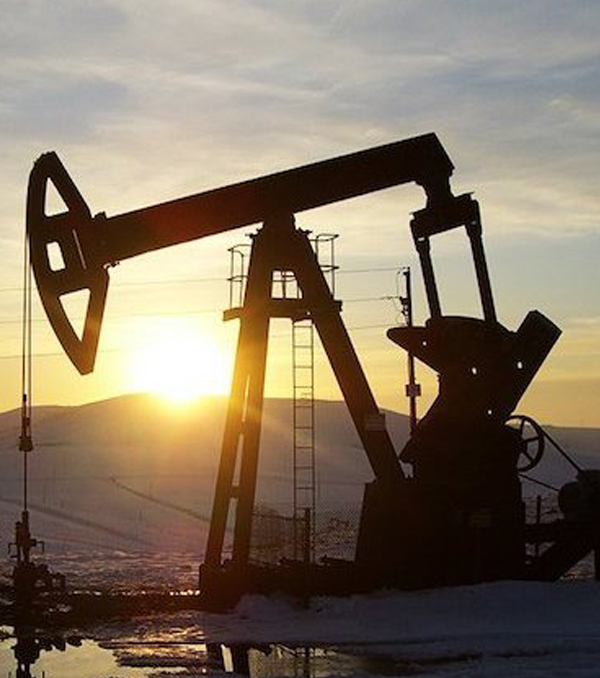
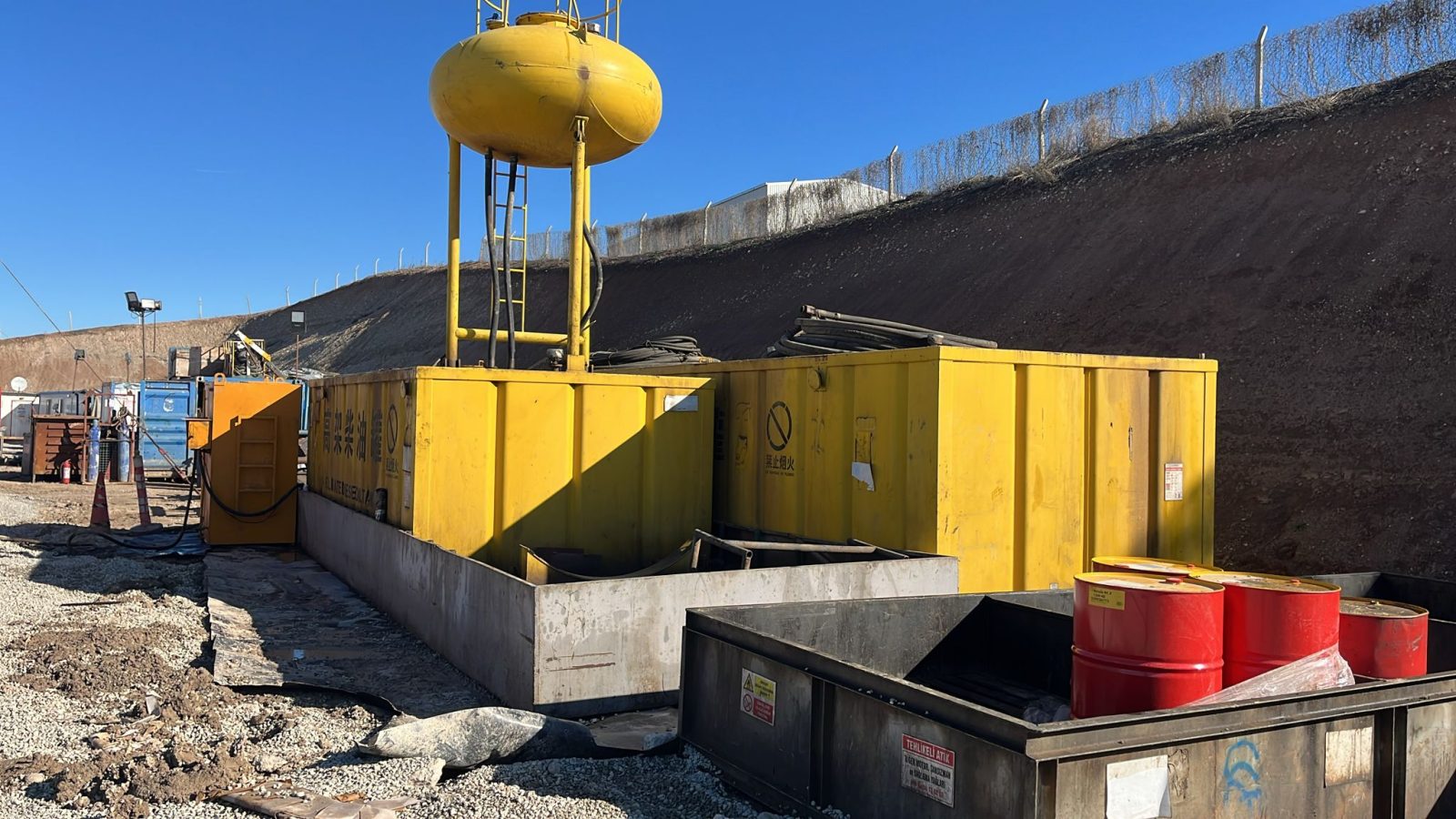
When fuel records at remote well sites are kept from tanker delivery notes, the gap between what leaves the tank and what actually goes to work stays invisible. This system moves measurement to the source: every filling at wellhead and site tanks is matched to the identity of the generator or machine receiving the fuel, and level telemetry delivers the data to the center even under intermittent connectivity. The installation running at three well sites is the field-proven form of this model, with every point watched on a single panel from Arbek's 24/7 monitoring center.

Generator and equipment fuel consumption, tank movements and stock levels of oil exploration sites on a single panel.
01.

What this service covers

01
Consumption metering at the source

A metering line fitted to the outlet of wellhead and site tanks logs every filling in litres; stock records rest on meter data, not delivery-note declarations.

02
Filling identification

Generator and heavy-equipment fillings do not start until the identity assigned to the equipment is verified; every litre is logged with the machine it flowed into.

03
Leak and loss detection

The drop in tank level is continuously reconciled against the sum of identified fillings; when an unexplained gap appears, the monitoring center raises an alert.

04
Stock level telemetry

Level sensors on the tanks report current fill data to the center; a tank approaching critical level shows up at the center before anyone calls from the field.

05
Transmission resilient to weak connectivity

The field unit buffers data locally and transmits once a link is up; where cellular coverage fades, measurements wait at the site instead of getting lost.

06
Central monitoring on a single panel

All well sites and construction points are gathered on one panel; stock, consumption and alert status per site read from the same screen.

07
24/7 monitoring center

Alerts land at Arbek's monitoring center in Ankara; a level anomaly during the night is handled without waiting for the morning report.

08
Reporting and reconciliation

Consumption reports are produced by equipment, site and period; tanker replenishment records and meter totals are reconciled in a single table.

02.

How we proceed

  1. 1 Site survey Wellhead and tank points are inspected in place; tank types, filling routine, power and connectivity conditions are documented and metering points selected.
  2. 2 Engineering design Meter, level-sensor and field-unit configuration is designed per point; the communication plan follows coverage measured on site, not assumptions.
  3. 3 Installation and commissioning Mounting is scheduled so site operations are not stopped; each point is calibrated, identity records are loaded, and live tests are run against the central panel.
  4. 4 Validation period In the period following commissioning, meter data is compared with actual replenishment records; thresholds and alert rules are tuned with the site's own data.
  5. 5 Continuous operation The system is handed over to Arbek's monitoring center; alert follow-up, periodic reporting and maintenance run under the install-and-operate model with the Turkey-wide field team.
03.

Frequently Asked

Does the system work at sites with very weak communication infrastructure?

Field units are designed to store data locally and transmit once a link is established. Which communication path is used is settled during the survey, based on coverage measurements taken on site.

Does it require modifying existing tanks and generators?

In most cases the metering hardware is added externally to the existing installation. Any adaptation required by tank type and filling layout is itemized in the survey report.

How are false alarms in leak detection managed?

Temperature-driven volume change and transient fluctuation during filling are filtered out; thresholds are tuned with the site's own data during the validation period. No fixed accuracy figure is promised; the aim is to minimize false alarms by tuning thresholds to the site.

Who operates the system after installation?

The model is install-and-operate: after commissioning, monitoring runs from Arbek's 24/7 center while panel access and reports remain with the customer. The exact split of responsibilities is defined within the agreement scope.

Get a quote for Oil Field Automation & Fuel Consumption Management

Reach out for a survey and offer; we reply within 24 hours.

Get a Quote Ara